Browsing Category

Education

Education

The Benefits of a Structured Learning Environment

college students

In education, structure is often the key to success. A structured learning environment provides clear expectations, consistent routines, and well-organised resources – all of which contribute to better outcomes for pupils. Whether in a traditional classroom or a progressive learning setting, structure provides a foundation for confidence, independence and academic achievement. Inspired by the practices of this London private school, here are some of the benefits of a structured learning environment.


Promotes a Sense of Security

Children thrive when they feel safe, and a structured learning environment offers the predictability that fosters emotional security. Knowing what to expect each day reduces anxiety and helps pupils settle into the rhythm of learning. When children are not preoccupied with uncertainty, they are more able to focus, engage and retain new information.

Encourages Self-Discipline and Responsibility

Structure helps pupils learn to manage their time, tasks and behaviour. With clear rules and routines in place, learners are encouraged to take responsibility for their actions and decisions. Over time, this nurtures independence and self-discipline – key life skills that serve them well beyond the classroom.

For example, daily timetables and consistent homework routines reinforce the importance of meeting deadlines, while behaviour expectations guide children to consider the impact of their choices on others.

Supports Academic Progress

A well-structured environment ensures that learning objectives are clearly defined and lessons are delivered in a logical sequence. This helps pupils make connections between topics, build on prior knowledge and progress at a steady pace. Teachers are better able to assess understanding and provide timely support or intervention when necessary.

Additionally, classroom organisation – such as labelled resources, designated workspaces, and visual timetables – contributes to smoother transitions and reduced distractions, allowing more time to be spent on meaningful learning.

Fosters a Positive Learning Culture

When structure is combined with warmth and encouragement, it helps cultivate a positive classroom culture. Pupils know what is expected of them and are more likely to behave respectfully and cooperatively. This leads to fewer disruptions and a more focused learning atmosphere.

In such environments, pupils feel valued, motivated and part of a community. They are more willing to participate, collaborate with peers, and take academic risks – all of which contribute to deeper engagement and a love of learning.

Prepares Pupils for the Future

Beyond academic benefits, structured learning environments prepare pupils for the wider world. The habits formed – such as punctuality, organisation and perseverance – are transferable to future education settings, the workplace and adult life.

By learning how to navigate structure and meet expectations, children become more adaptable and better equipped to face the demands of modern society.

A structured learning environment offers much more than order and discipline – it lays the groundwork for personal growth, academic success and lifelong learning. When thoughtfully implemented, structure supports both teacher effectiveness and pupil wellbeing. Whether through consistent routines, clear goals, or a supportive classroom atmosphere, structure remains an essential element of a high-quality education.

Education

What Makes a Good Private School?

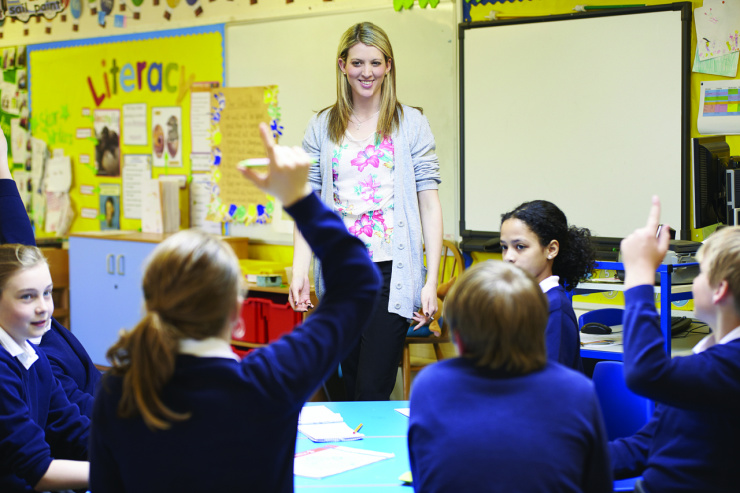
pupils in class iwth teacher

Choosing the right private school for your child can be a significant decision, shaped by educational goals, personal values, and practical considerations. With a wide variety of independent schools across the UK, it’s helpful to understand the hallmarks of a truly excellent private school. Below are the key features that make a private school stand out, inspired by the practices of this private school in Surrey.


Strong Academic Foundations

Academic excellence is a core priority for most parents seeking a private education. A good private school will have a proven track record of strong exam results, high university admission rates, and value-added performance data. But beyond grades, it’s also about how the curriculum is delivered. Top private schools offer a broad and challenging curriculum that encourages critical thinking, creativity, and intellectual curiosity. The best schools also tailor their teaching to suit a range of learning styles and provide additional support where needed.

Exceptional Teaching Staff

The quality of teaching is a defining factor. Outstanding private schools recruit experienced, passionate educators who are not only experts in their subject areas but also committed to the holistic development of each pupil. Teachers in good private schools often have the flexibility to be innovative and responsive in their teaching, which can inspire students and bring lessons to life.

Pastoral Care and Wellbeing

A nurturing, supportive environment is essential for young people to thrive. The best private schools prioritise pastoral care, ensuring that every child feels safe, seen, and supported. This can include mentoring systems, counsellors, and dedicated pastoral staff. A strong focus on wellbeing promotes resilience, self-esteem, and emotional literacy – all crucial for long-term success and happiness.

Enriching Co-Curricular Opportunities

A well-rounded education goes beyond the classroom. Leading private schools offer a wide array of co-curricular activities, from music and drama to sport, debating, outdoor education, and community service. These activities allow pupils to discover passions, develop leadership skills, and grow in confidence. A strong emphasis on enrichment also reflects a school’s commitment to educating the whole child.

A Sense of Community and Values

A good private school has a strong sense of identity and shared values. Whether rooted in tradition or based on a more modern educational philosophy, the school’s ethos should be clearly defined and aligned with your family’s own values. Inclusive, respectful communities where pupils, parents, and staff work together foster a sense of belonging and collective purpose.

Facilities and Learning Environment

While state-of-the-art facilities aren’t everything, a high-quality learning environment can significantly enhance a child’s experience. Well-equipped science labs, libraries, sports facilities, and creative arts spaces offer more than just aesthetics – they provide opportunities for deeper engagement and exploration. A school that invests in its infrastructure signals a commitment to excellence.

Parental Involvement and Transparent Communication

Strong partnerships between school and home are vital. The best private schools maintain open lines of communication, regularly updating parents on academic progress, school events, and pupil wellbeing. Schools that welcome parental involvement and feedback tend to foster stronger trust and community spirit.

A good private school isn’t simply defined by prestige or exam tables – it’s a place where children are inspired, supported, and equipped for the future. By looking beyond surface-level reputation and exploring the elements above, parents can make a confident, informed decision.

Education

The Benefits of A Single Sex School

Single sex education has long been a topic of debate among parents, educators, and researchers. While co-educational settings are more common today, many families still choose single sex schools for their children – and with good reason. These schools offer several advantages that support both academic achievement and personal growth.


A Learning Environment Tailored to Gender-Specific Needs

Like this prep school in Hertfordshire, one of the most significant benefits of a single sex school is the ability to tailor teaching methods to the specific learning styles of boys or girls. Research has shown that boys and girls often develop and process information differently. For example, boys may benefit from more active, kinaesthetic learning, while girls may respond better to collaborative and discussion-based approaches.

In a single sex environment, teachers can adapt their strategies to better suit their pupils, helping to maximise engagement and understanding. This can lead to improved academic outcomes and a more positive attitude towards learning.

Fewer Distractions, More Focus

The teenage years are full of social pressures and distractions, some of which stem from the dynamics between boys and girls. In a single sex setting, these pressures are often reduced, allowing students to concentrate more fully on their studies.

Without the need to impress or conform to gender-based stereotypes, students may feel more comfortable expressing themselves and taking academic risks. This freedom can lead to increased confidence and a stronger sense of identity.

Greater Participation in All Subjects

In co-educational settings, certain subjects may be unconsciously gendered – for instance, boys may dominate in sciences and technology, while girls may be more active in arts and languages. In single sex schools, these stereotypes are often less pronounced.

Girls in all-girls schools are more likely to take up STEM subjects without feeling outnumbered or overshadowed, while boys in all-boys schools may be more open to engaging in the arts or humanities. This balanced participation can broaden students’ interests and future career paths.

Stronger Peer Support and Mentorship

Single sex schools often foster a strong sense of camaraderie and community. With a shared environment and fewer social divides, students are more likely to support one another, both in and outside of the classroom.

These schools also tend to provide strong mentorship opportunities, with older students acting as role models and guides for younger peers. This can create a nurturing, aspirational atmosphere where personal development is just as valued as academic success.

Focus on Confidence and Leadership

Single sex schools often place a strong emphasis on leadership development. Without the social hierarchies that can sometimes emerge in mixed settings, pupils may feel more confident taking on leadership roles and speaking out in class.

This focus helps to build self-belief, communication skills, and resilience – qualities that are invaluable for future education, the workplace, and life beyond school.

Single sex schools offer a unique environment that supports focused learning, self-expression, and personal growth. While not the right choice for every student, they provide an alternative educational pathway that can bring out the best in many young people.

Education Parenting

Overcoming Obstacles With Your Child

dad with chikd

Parenting can be one of the most rewarding journeys, but it’s not without its challenges. Whether it’s academic pressure, social struggles, or emotional setbacks, children will inevitably face obstacles as they grow. As a parent or carer, your support and approach during these moments can make a lasting impact on your child’s confidence and resilience. Here’s how you can help your child navigate life’s bumps and bounce back stronger, inspired by the teachings of this prep school in Surrey.


Start With Open Communication

One of the most important steps in helping your child overcome difficulties is creating a space where they feel heard. Encourage regular conversations without judgment. Instead of rushing to fix the problem, listen carefully to what they’re saying – and what they might be too afraid to say. Children who feel safe sharing their thoughts are more likely to ask for help when things get tough.

You might try open-ended questions like:

  • “What was the hardest part of your day?”
  • “Is there something that’s been on your mind lately?”

These prompts help children open up in a natural way and show that their feelings are valid.

Break Down the Problem Together

Sometimes obstacles can seem overwhelming to a child. Whether it’s struggling with maths homework, falling out with a friend, or anxiety about a school performance, the issue can feel too big to tackle. Breaking it down into smaller, manageable steps can help.

Work through the situation as a team. Identify what’s within their control and brainstorm realistic actions they can take. This teaches problem-solving skills and reinforces that setbacks are a normal part of life – not something to fear.

Model Resilience and Patience

Children often learn by example. If you show resilience, perseverance, and a positive attitude when facing your own challenges, your child is more likely to adopt the same approach. Be honest about times when things didn’t go to plan for you, and share how you coped or adapted.

It’s also important to model patience – both with your child and with the process. Progress can be slow, especially if your child is dealing with something emotionally difficult. Celebrate small victories and be gentle when there are setbacks.

Focus on Strengths and Encourage Independence

While it’s natural to want to step in and fix things, helping your child build their own skills is much more empowering. Remind them of times they’ve succeeded in the past and the personal qualities that helped them through. This boosts self-esteem and encourages independence.

Support doesn’t mean doing everything for them – it means walking alongside them until they’re confident to take the lead.

Know When to Seek Extra Help

Some challenges may need professional support. If your child is experiencing prolonged anxiety, changes in behaviour, or difficulties at school that aren’t improving, it’s okay to reach out. Talk to their teacher, GP, or a child mental health professional. Early intervention can make a big difference.

Every child faces obstacles – it’s how we help them face those challenges that matters most. Through communication, patience, encouragement and the right support, your child can grow into a resilient, confident individual ready to take on whatever life brings.