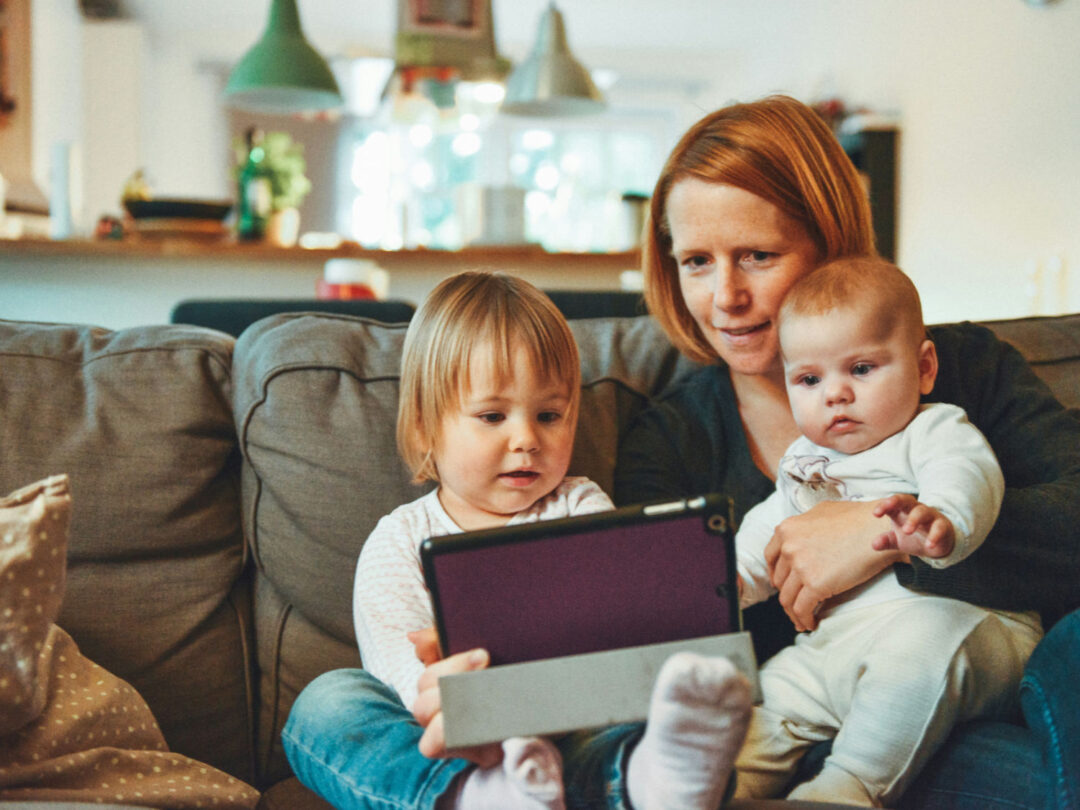
Family life is full of moments that shape our relationships, influence children’s development, and set the tone for emotional well-being.
One often overlooked tool that can have a profound impact is the language we use. Positive language – words that uplift, encourage, and affirm – plays a vital role in creating a nurturing home environment.
Encouragement Over Criticism
This private school in Bath suggests that children are especially sensitive to the words used around them. Criticism, even when intended constructively, can sometimes create feelings of inadequacy or resentment. By focusing on encouragement rather than criticism, parents can help children feel supported and capable. For example, saying “I love how you tried your best” acknowledges effort, rather than simply pointing out mistakes. This approach fosters self-esteem and motivates children to keep trying, even when tasks are challenging.
Strengthening Relationships
Positive language is not just for children; it strengthens bonds between all family members. Expressing gratitude, appreciation, and love regularly helps partners and siblings feel valued. Simple phrases like “thank you for helping with dinner” or “I really enjoy spending time with you” create a sense of connection and mutual respect. Over time, these small verbal affirmations build a strong foundation of trust and emotional security.
Modelling Emotional Intelligence
The language parents use is a powerful model for children’s emotional intelligence. By choosing words that express feelings calmly and respectfully, adults teach children how to communicate effectively and manage emotions. Phrases such as “I feel upset when…” or “I appreciate it when you…” encourage children to articulate their own feelings constructively. This modelling of healthy communication habits can have lifelong benefits, helping children navigate friendships, school, and eventually the workplace.
Creating a Positive Home Atmosphere
A household that prioritises positive language tends to feel warmer and more welcoming. Words of affirmation and encouragement can defuse tension and reduce conflict. Even when disagreements arise, framing concerns with kindness rather than blame helps resolve issues more calmly. For instance, saying “Let’s figure out a way to fix this together” is far more effective than pointing fingers. This approach nurtures cooperation and teaches problem-solving skills in a loving context.
Practical Tips For Everyday Use
Incorporating positive language doesn’t require grand gestures; small, consistent changes make a difference. Start by noticing negative patterns and consciously replacing them with constructive alternatives. Celebrate achievements, however minor, and express appreciation daily. Encourage family members to share their thoughts and feelings openly, responding with understanding and support. Over time, these habits cultivate a culture of positivity and respect within the home.
The words we choose at home shape not only the emotional climate of our families but also the development of children’s character and self-esteem. By embracing positive language, parents and caregivers can create stronger relationships, foster resilience, and nurture a happy, healthy family life. Small changes in daily communication can have a lasting impact, proving that sometimes, the simplest words carry the greatest power.