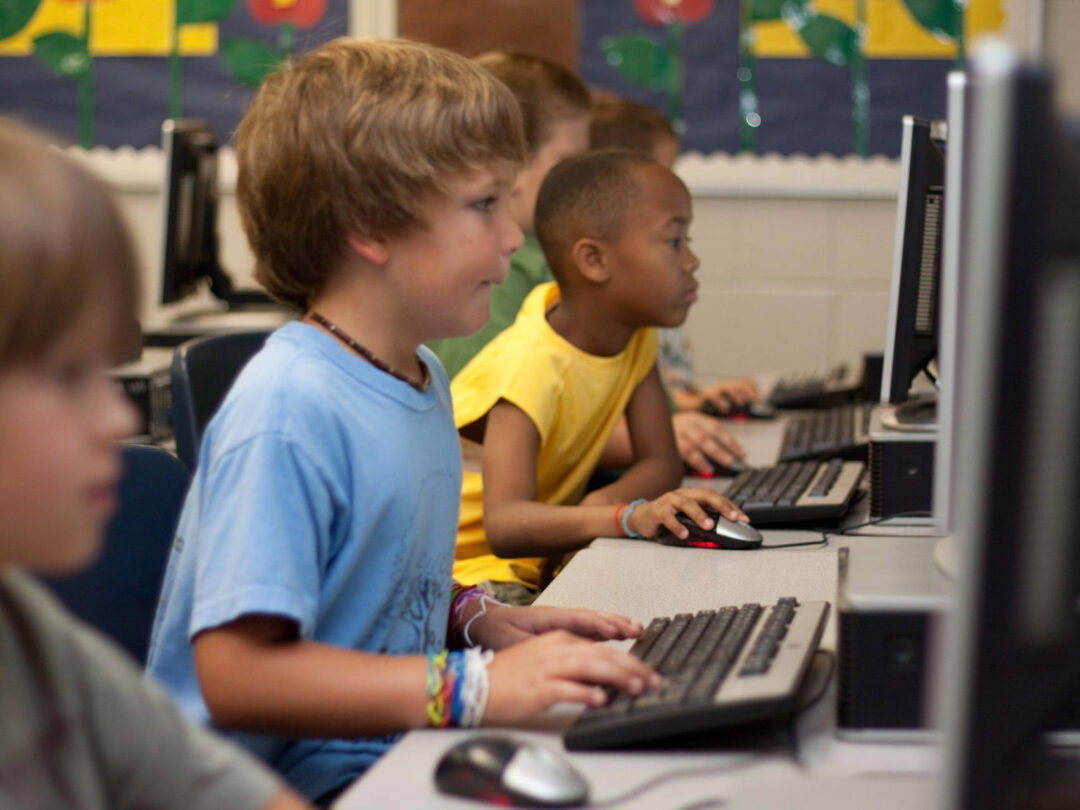
When it comes to choosing the right school for your child, class size is a factor that can significantly impact their education. While modern technology and teaching resources are important, the number of students in a classroom remains a key driver of learning outcomes.
Small class sizes are more than just a convenience—they play a crucial role in helping children thrive academically, socially, and emotionally.
More Individual Attention
In smaller classes, teachers can dedicate more time and attention to each child. Private schools in Hale suggest that this personalised approach allows educators to understand your child’s unique strengths, weaknesses, and learning style. When a teacher can spot difficulties early, they can provide timely support or adjust their teaching strategies to meet individual needs. This kind of attention is far harder to achieve in larger classrooms, where students may sometimes go unnoticed.
Enhanced Engagement and Participation
Small class sizes naturally encourage greater engagement. With fewer students, children have more opportunities to ask questions, contribute to discussions, and collaborate with peers. This active participation not only reinforces learning but also builds confidence in expressing ideas. Children who feel heard and valued are more likely to develop a positive attitude towards learning that stays with them throughout their educational journey.
Stronger Teacher-Student Relationships
Building strong relationships with teachers is vital for a child’s development. In smaller classes, teachers can form deeper connections with each pupil, fostering trust and understanding. When children feel comfortable with their teacher, they are more likely to seek help when struggling, share their ideas freely, and engage in the learning process. These relationships also allow teachers to guide students more effectively, both academically and emotionally.
Tailored Learning Experiences
Every child learns differently, and small class sizes make it easier to cater to diverse learning styles. Teachers can design lessons that incorporate a variety of activities—such as hands-on experiments, group work, or individual projects—ensuring that each child benefits. This flexibility is harder to implement in larger groups, where teaching tends to be more generalised. Tailored learning experiences help children stay motivated, retain information better, and reach their full potential.
Reduced Stress and Improved Wellbeing
Large classes can sometimes be overwhelming for children, leading to stress and anxiety. Smaller classes, on the other hand, create a calmer, more supportive environment where children feel safe to explore and learn. Fewer distractions and a closer-knit peer group can improve concentration, behaviour, and overall wellbeing. Children who are happy and comfortable in their classroom are more likely to enjoy learning and perform better academically.
Choosing a school with small class sizes is an investment in your child’s education and overall development. The benefits are clear: more personalised attention, higher engagement, stronger teacher-student relationships, tailored learning experiences, and a healthier learning environment. By prioritising smaller classes, parents can help ensure their child not only succeeds academically but also develops confidence, resilience, and a lifelong love of learning.