All Posts By

Sam

Education

Is Sixth Form The Right Choice for My Child?

Choosing what comes next after GCSEs can feel like standing at a crossroads. Among the many post-16 options available—college, apprenticeships, vocational training—Sixth Form remains one of the most popular. But is it the right choice for your child?

This decision isn’t just about academic ability—it’s about personality, learning style, long-term goals, and more. If you’re weighing up the pros and cons of Sixth Form, here’s a helpful guide from a top A Level college in the UK to support your thinking.

Continue Reading

Education

The Role of Small Class Sizes in Private Schools

two children in class

One of the most distinctive features of private education in the UK is the emphasis on small class sizes. While academic outcomes are often attributed to a range of factors, class size plays a central role in shaping the learning experience and outcomes of pupils. For many families choosing an independent school, the promise of more individual attention and tailored learning makes all the difference.


Personalised Learning and Greater Support

In small classes, teachers have the capacity to truly understand each pupil’s strengths, learning style and areas for improvement. This personalised approach enables staff to adapt lessons to suit different abilities and provide extra support when needed. Pupils are less likely to fall through the cracks, and more likely to feel seen, heard and understood.

This environment also encourages participation. In large classrooms, quieter children may struggle to contribute or ask for help. In contrast, smaller class settings give all pupils the opportunity to engage fully in discussions, group work and one-to-one interactions with their teacher.

Stronger Relationships Between Teachers and Pupils

This private school in London recommends a low pupil-to-teacher ratio as it allows for stronger, more meaningful relationships to develop. These relationships foster trust, improve behaviour and boost motivation. Pupils who feel known and valued by their teacher are more likely to take pride in their work and feel confident in asking questions or exploring new ideas.

Teachers, too, benefit from this dynamic. With fewer pupils to manage, they are better able to spot signs of struggle—whether academic, emotional or social—and intervene early. This pastoral care is a defining feature of many private schools and is made possible in large part by small class sizes.

Enhanced Classroom Management and Focus

Smaller classes tend to be more manageable, leading to fewer disruptions and more focused lessons. With less time spent on behaviour management, teachers can maintain a steady pace and maximise learning time. This is particularly important in core subjects such as English, Maths and Science, where progression often relies on building solid foundations.

In this kind of environment, pupils are also more likely to stay on task and take responsibility for their learning. There’s often a stronger sense of accountability in a smaller group, which can lead to higher standards and greater achievement.

Preparing Pupils for Success

While academic results matter, private schools also place high value on holistic development. Small class sizes contribute to this by allowing teachers to nurture each child’s personal growth, creativity and independence. Whether it’s encouraging leadership in group work or offering more tailored careers guidance, the benefits extend well beyond the classroom.

A Long-Term Investment

Choosing a private school with small class sizes can be a significant investment—but for many families, the outcomes speak for themselves. From improved academic performance to stronger social skills and greater confidence, the impact of this learning environment can last a lifetime.

Education Parenting

How to Raise a Science Lover 

child outdoors


In a world where innovation and technology are constantly evolving, fostering a love for science in children is more important than ever. Encouraging curiosity, critical thinking, and a passion for discovery can give your child a lifelong appreciation for the wonders of the world. Here’s how you can help raise a budding science enthusiast.


Nurture Natural Curiosity

Children are naturally inquisitive – they ask questions, explore their surroundings, and marvel at the smallest things. Instead of brushing off their endless “whys”, lean into them. This private school in Hampstead recommends using these questions as opportunities to spark deeper discussion. If you don’t know the answer, research it together. This teaches children that it’s okay not to know everything – what matters is the willingness to learn.

Make Science Part of Everyday Life

Science isn’t just confined to classrooms or laboratories. It’s in the kitchen when you’re baking (hello, chemistry!), in the garden when observing plant growth, and even during bath time when objects sink or float. Highlight these moments and explain the science behind them in age-appropriate ways. Showing your child that science is all around them makes it feel more accessible and fun.

Encourage Hands-On Exploration

Kids learn best when they’re actively involved. Let them build, mix, plant, and experiment. There are countless simple experiments you can try at home, such as creating a homemade volcano, growing crystals, or building a weather station. Hands-on projects not only bring scientific concepts to life but also build problem-solving and fine motor skills.

Use Books, Shows and Apps

There is a wealth of resources available to inspire a love of science. Picture books, fact-filled encyclopaedias, and biographies of famous scientists can all fuel interest. Programmes like CBeebies’ Nina and the Neurons, Operation Ouch!, or David Attenborough’s documentaries make science entertaining and understandable. Likewise, educational apps and games can transform screen time into learning time.

Visit Science Museums and Nature Reserves

Plan trips that combine fun with learning. Science museums often have interactive exhibits designed for children, making learning a hands-on adventure. Similarly, nature reserves, zoos, aquariums, and planetariums offer opportunities to explore different scientific fields – from biology to astronomy – in engaging, tangible ways.

Support Their Interests

If your child shows an interest in dinosaurs, space, insects, or how machines work, encourage them to explore that topic further. Provide books, toys, or kits aligned with their passion. Helping them dive deeper into subjects they love builds confidence and fosters long-term engagement.

Be a Role Model

Children emulate the adults in their lives. Show your own interest in learning and science. Watch documentaries together, discuss scientific news, or share fascinating facts over dinner. Your enthusiasm can be contagious.

By creating an environment that values curiosity, exploration, and discovery, you’re not just raising a child who loves science — you’re raising a thinker, a problem-solver, and potentially, a future innovator. Whether they grow up to be an astronaut or simply someone who appreciates the world more deeply, your support can make all the difference.

Education

The Benefits of a Structured Learning Environment

college students

In education, structure is often the key to success. A structured learning environment provides clear expectations, consistent routines, and well-organised resources – all of which contribute to better outcomes for pupils. Whether in a traditional classroom or a progressive learning setting, structure provides a foundation for confidence, independence and academic achievement. Inspired by the practices of this London private school, here are some of the benefits of a structured learning environment.


Promotes a Sense of Security

Children thrive when they feel safe, and a structured learning environment offers the predictability that fosters emotional security. Knowing what to expect each day reduces anxiety and helps pupils settle into the rhythm of learning. When children are not preoccupied with uncertainty, they are more able to focus, engage and retain new information.

Encourages Self-Discipline and Responsibility

Structure helps pupils learn to manage their time, tasks and behaviour. With clear rules and routines in place, learners are encouraged to take responsibility for their actions and decisions. Over time, this nurtures independence and self-discipline – key life skills that serve them well beyond the classroom.

For example, daily timetables and consistent homework routines reinforce the importance of meeting deadlines, while behaviour expectations guide children to consider the impact of their choices on others.

Supports Academic Progress

A well-structured environment ensures that learning objectives are clearly defined and lessons are delivered in a logical sequence. This helps pupils make connections between topics, build on prior knowledge and progress at a steady pace. Teachers are better able to assess understanding and provide timely support or intervention when necessary.

Additionally, classroom organisation – such as labelled resources, designated workspaces, and visual timetables – contributes to smoother transitions and reduced distractions, allowing more time to be spent on meaningful learning.

Fosters a Positive Learning Culture

When structure is combined with warmth and encouragement, it helps cultivate a positive classroom culture. Pupils know what is expected of them and are more likely to behave respectfully and cooperatively. This leads to fewer disruptions and a more focused learning atmosphere.

In such environments, pupils feel valued, motivated and part of a community. They are more willing to participate, collaborate with peers, and take academic risks – all of which contribute to deeper engagement and a love of learning.

Prepares Pupils for the Future

Beyond academic benefits, structured learning environments prepare pupils for the wider world. The habits formed – such as punctuality, organisation and perseverance – are transferable to future education settings, the workplace and adult life.

By learning how to navigate structure and meet expectations, children become more adaptable and better equipped to face the demands of modern society.

A structured learning environment offers much more than order and discipline – it lays the groundwork for personal growth, academic success and lifelong learning. When thoughtfully implemented, structure supports both teacher effectiveness and pupil wellbeing. Whether through consistent routines, clear goals, or a supportive classroom atmosphere, structure remains an essential element of a high-quality education.

Education

What Makes a Good Private School?

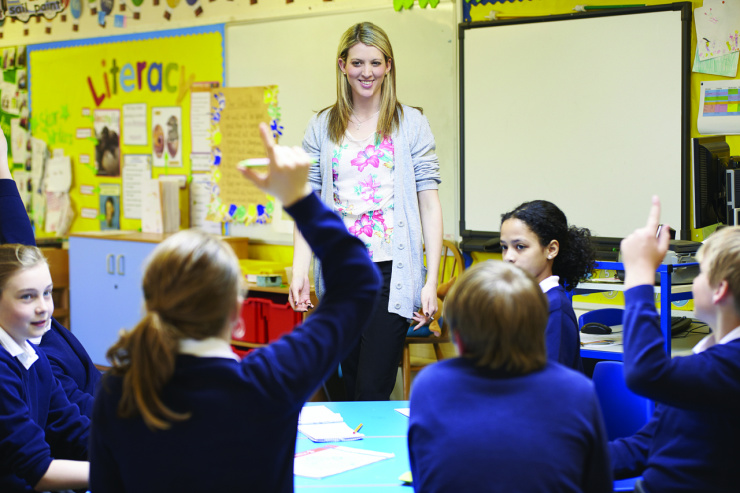
pupils in class iwth teacher

Choosing the right private school for your child can be a significant decision, shaped by educational goals, personal values, and practical considerations. With a wide variety of independent schools across the UK, it’s helpful to understand the hallmarks of a truly excellent private school. Below are the key features that make a private school stand out, inspired by the practices of this private school in Surrey.


Strong Academic Foundations

Academic excellence is a core priority for most parents seeking a private education. A good private school will have a proven track record of strong exam results, high university admission rates, and value-added performance data. But beyond grades, it’s also about how the curriculum is delivered. Top private schools offer a broad and challenging curriculum that encourages critical thinking, creativity, and intellectual curiosity. The best schools also tailor their teaching to suit a range of learning styles and provide additional support where needed.

Exceptional Teaching Staff

The quality of teaching is a defining factor. Outstanding private schools recruit experienced, passionate educators who are not only experts in their subject areas but also committed to the holistic development of each pupil. Teachers in good private schools often have the flexibility to be innovative and responsive in their teaching, which can inspire students and bring lessons to life.

Pastoral Care and Wellbeing

A nurturing, supportive environment is essential for young people to thrive. The best private schools prioritise pastoral care, ensuring that every child feels safe, seen, and supported. This can include mentoring systems, counsellors, and dedicated pastoral staff. A strong focus on wellbeing promotes resilience, self-esteem, and emotional literacy – all crucial for long-term success and happiness.

Enriching Co-Curricular Opportunities

A well-rounded education goes beyond the classroom. Leading private schools offer a wide array of co-curricular activities, from music and drama to sport, debating, outdoor education, and community service. These activities allow pupils to discover passions, develop leadership skills, and grow in confidence. A strong emphasis on enrichment also reflects a school’s commitment to educating the whole child.

A Sense of Community and Values

A good private school has a strong sense of identity and shared values. Whether rooted in tradition or based on a more modern educational philosophy, the school’s ethos should be clearly defined and aligned with your family’s own values. Inclusive, respectful communities where pupils, parents, and staff work together foster a sense of belonging and collective purpose.

Facilities and Learning Environment

While state-of-the-art facilities aren’t everything, a high-quality learning environment can significantly enhance a child’s experience. Well-equipped science labs, libraries, sports facilities, and creative arts spaces offer more than just aesthetics – they provide opportunities for deeper engagement and exploration. A school that invests in its infrastructure signals a commitment to excellence.

Parental Involvement and Transparent Communication

Strong partnerships between school and home are vital. The best private schools maintain open lines of communication, regularly updating parents on academic progress, school events, and pupil wellbeing. Schools that welcome parental involvement and feedback tend to foster stronger trust and community spirit.

A good private school isn’t simply defined by prestige or exam tables – it’s a place where children are inspired, supported, and equipped for the future. By looking beyond surface-level reputation and exploring the elements above, parents can make a confident, informed decision.