
The United Kingdom has long been a global hub for business and commerce. Its rich history, stable political environment, and strategic geographical location have made it an attractive destination for entrepreneurs and investors alike.
From the bustling streets of London to the industrial heartlands of the Midlands and the tech hubs of Cambridge and Manchester, the UK offers a diverse and thriving business landscape that continues to evolve.
One of the key strengths of the UK’s business environment is its regulatory framework. The country’s legal system is known for its fairness and transparency, providing a solid foundation for businesses to operate. The Companies Act of 2006, for example, governs company law in the UK, and it offers clear guidelines on the formation and management of companies. Additionally, the UK boasts a well-developed financial system, with the City of London standing as one of the world’s leading financial centres. This infrastructure facilitates access to capital, making it easier for businesses to secure funding and expand.
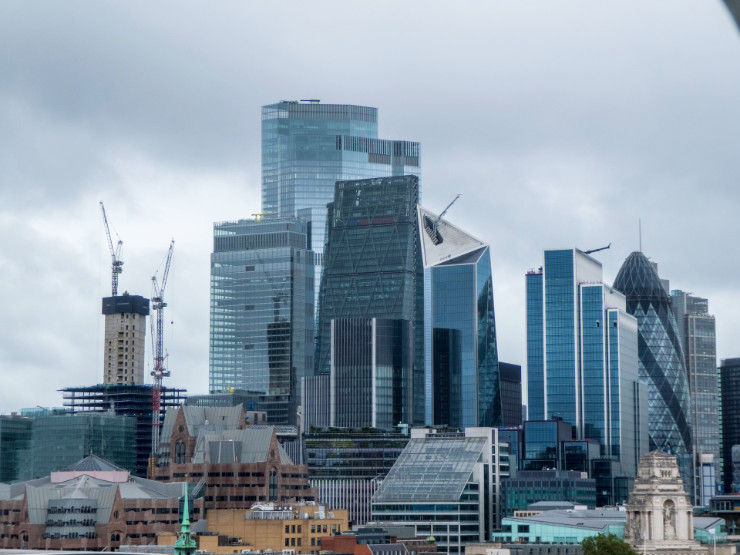
The UK’s diverse economy spans various sectors, including finance, technology, manufacturing, and services. London, in particular, is home to a thriving financial services sector, hosting numerous global banks, investment firms, and insurance companies. The London Stock Exchange, one of the oldest in the world, provides a platform for businesses to raise capital through public offerings. This financial hub not only fuels economic growth but also attracts talent from around the globe.
Technology
The technology sector in the UK has experienced remarkable growth in recent years with companies such as Industrial Vision Systems. Cities like Cambridge, often referred to as the “Silicon Fen,” have emerged as innovation hubs, fostering startups and research in fields like artificial intelligence, biotechnology, and clean energy. Government initiatives, such as the Tech Nation program, support the growth of tech businesses by offering mentorship, networking opportunities, and funding.
Manufacturing
Manufacturing remains a significant contributor to the UK economy, with regions like the West Midlands and the North West known for their industrial prowess. Aerospace, automotive, and pharmaceutical industries thrive in these areas, benefitting from skilled labour pools and established supply chains. The government’s commitment to research and development tax credits and grants further encourages innovation and investment in the manufacturing sector.
Services
The UK’s services sector is another pillar of its economy, encompassing everything from hospitality and tourism to healthcare and professional services. London’s cultural attractions, historical sites, and vibrant arts scene make it a top destination for tourists, contributing substantially to the country’s GDP. Additionally, the National Health Service (NHS) is one of the largest employers in the world, providing healthcare services to the population and supporting numerous businesses in the healthcare sector.
Future Trade
Brexit, the UK’s departure from the European Union in 2020, brought about significant changes in the business landscape. While it introduced complexities to trade with the EU, it also presented opportunities for the UK to strike new trade agreements with countries around the world. The UK has secured trade deals with countries like Japan and Australia, opening up new markets for British businesses. However, businesses have had to adapt to new customs procedures and regulatory requirements when trading with the EU, leading to both challenges and opportunities.
The COVID-19 pandemic also had a profound impact on UK businesses. Lockdowns and restrictions disrupted operations across various sectors, forcing many businesses to pivot and adapt to the changing circumstances. The government implemented support schemes, such as the Coronavirus Job Retention Scheme (furlough scheme), to help businesses and workers weather the economic storm.
Business in the United Kingdom is characterized by its diversity, stability, and adaptability. With a strong legal framework, access to capital, and a dynamic mix of industries, the UK continues to attract entrepreneurs and investors from around the world. While it faces challenges, such as the repercussions of Brexit and the ongoing impact of the pandemic, the UK’s business landscape remains resilient and promising for those willing to navigate its complexities and seize its opportunities.